Short-term stress sharpens you for a deadline; chronic stress quietly wears down the circuits behind memory, focus, and mood. The difference is duration, not intensity. This guide explains how chronic stress affects the brain, region by region, and which natural coping methods carry real evidence. Daily habits do most of the work; a few studied adaptogens may add modest support. If stress arrives with hopelessness or panic, professional care comes first, not a capsule.
Acute Stress vs Chronic Stress: Two Different Bodies
Acute stress is adaptive. Cortisol and adrenaline rise, attention narrows, and memory formation for that moment improves. Once the threat passes, the system returns to baseline. Chronic stress removes the return trip. The same hormones stay elevated for weeks or months, and the body pays interest through sleep loss, tension, and fog. Acute stress borrows energy from tomorrow; chronic stress keeps borrowing until the account runs dry.
If daily pressure already feels chronic, some people add a calming supplement beside habit work; our Cortexene review checks its adaptogen doses against trial ranges.
Key Takeaways
- Chronic stress, not acute stress, erodes memory, focus, and mood circuits.
- The hippocampus, prefrontal cortex, and amygdala carry most of the load.
- Exercise, breathing, mindfulness, sleep, connection, and nature hold the strongest evidence.
- Adaptogens add modest support after habits, never instead of them.
- Hopelessness or panic means professional care, not a supplement cart.
Lower the load daily, and the brain repairs itself quietly.
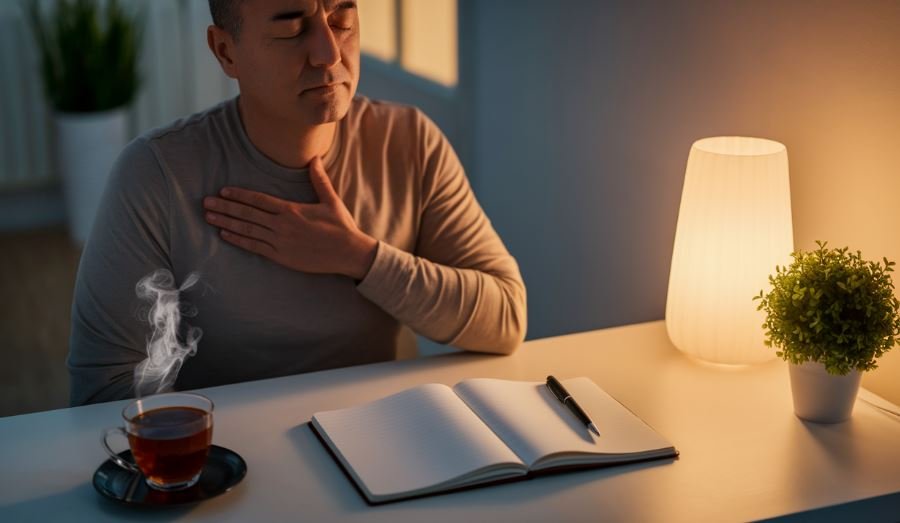
How Chronic Stress Affects the Brain, Region by Region
Three structures take most of the damage, and each explains a familiar symptom.
The Hippocampus: Memory Under Pressure
The hippocampus carries dense cortisol receptors and forms new memories. Prolonged cortisol exposure shrinks its dendrites and slows new cell growth in animal work, and human studies link chronically high cortisol with smaller hippocampal volume and weaker recall (Lupien et al., Nature Reviews Neuroscience, 2007, PubMed). This is why names and appointments slip first.
The Prefrontal Cortex: Focus and Planning Fade
Sustained stress weakens prefrontal control over attention and working memory. Planning feels heavier, prioritizing gets harder, and distraction wins. Imaging studies show reduced prefrontal activity during chronic stress exposure, which matches the scattered feeling readers describe.
The Amygdala: The Alarm Gets Louder
The amygdala scans for threat, and chronic stress makes it hyper-reactive. Neutral emails read as hostility, small setbacks feel like crises, and anxiety feeds more cortisol. This loop also fragments sleep, which then weakens the hippocampus further.
Does the Damage Reverse?
Mostly, yes, partly. Human and animal work shows dendrites regrow and volumes recover after stress remits, especially with exercise and sleep. Chronic stress affects the brain’s shape and speed, but it rarely writes a permanent sentence.
The Everyday Signs Your Stress Has Turned Chronic
- Fog and forgetfulness that improve on vacation days
- Irritability over small things, then guilt about the irritability
- Trouble falling asleep despite exhaustion, or 3 a.m. waking
- Tension headaches, jaw clenching, or raised shoulders at desks
- Appetite swings and reliance on caffeine or alcohol to regulate
- Cynicism about work or people that used to matter
These signs overlap with thyroid disorders, anemia, and depression. If they persist beyond a few weeks, book a checkup rather than self-diagnosing.
6 Natural Coping Methods With Real Evidence
None of these require equipment or money, because consistency itself is the active ingredient.
1. Aerobic Exercise, Even in Small Doses
Movement metabolizes stress hormones and raises BDNF, a growth factor the hippocampus loves. Brisk walking, cycling, or swimming for 150 minutes weekly shows mood and cognition benefits in trials. A 10-minute walk after a hard meeting works faster than any capsule.
2. Slow Breathing and the Physiological Sigh
Long exhales activate the parasympathetic brake within minutes. Try box breathing (4-4-4-4) or a double inhale followed by one long slow exhale, repeated five times. Two short sessions daily lower perceived stress in small studies.
3. Mindfulness Meditation, Eight Minutes or More
Eight-week mindfulness programs reduce amygdala reactivity and perceived stress scores in randomized trials. Apps make entry easy; the skill is noticing thoughts without chasing them. Daily practice beats occasional long sessions.
4. Sleep Protection as Stress Medicine
Stress steals sleep, and poor sleep raises next-day cortisol, a two-way trap. Fix the wake time first, get morning daylight, and keep the final hour dim and screen-light. Most people feel stress tolerance improve within two weeks.
5. Social Connection and Saying It Out Loud
Naming stress to a trusted person lowers physiological arousal, and supportive contact buffers cortisol responses in studies. One real conversation per week counts as brain protection, not luxury.
6. Daylight and Time in Nature
A 20-to-30-minute sit or walk in a green space lowered salivary cortisol in a field trial (Hunter et al., Frontiers in Psychology, 2019, PubMed). Morning outdoor light also anchors circadian rhythm, which stabilizes mood and sleep.
Adaptogens and Calming Supplements: What the Evidence Shows
A few botanicals show modest, reproducible effects. Ashwagandha extract reduced stress-scale scores versus placebo in a randomized trial (Lopresti et al., Medicine, 2019, PubMed). Rhodiola may help fatigue during prolonged mental work. L-theanine promotes calm alertness without sedation, and magnesium matters mainly when intake is low. Effects are supportive, not sedative-level, and quality varies between brands. My verdict: earn the basics first, then consider one transparent formula for eight weeks. Blends such as Selzia Brain group calming botanicals with amino acids, and our review compares its printed amounts with trial doses.
Building Your Own 14-Day Stress Reset
- Morning: 10-minute outdoor walk before screens.
- Midday: two 5-minute breathing sessions, one before lunch and one mid-afternoon.
- Weekly: three aerobic sessions and one planned social contact.
- After 2 p.m.: no caffeine; after dinner: no work email.
- Night: fixed wake time, dim final hour, cool room.
Track one marker each evening: minutes to fall asleep, or tension scored 1 to 10. Small habits compound quietly; the marker tells you they are working before mood admits it.
When Stress Needs Professional Support
Seek help promptly for hopelessness, loss of pleasure, panic attacks, or reliance on alcohol or sedatives to function. If thoughts of self-harm appear, contact emergency services or a crisis line immediately; in the US, call or text 988. Cognitive behavioral therapy carries strong evidence for chronic stress and anxiety, and medication helps when a clinician recommends it. No supplement replaces that care.
Choosing a Calming Supplement Without Overpaying
- Look for printed milligrams per ingredient, not a hidden blend total.
- Compare doses with amounts used in human trials, not traditional use.
- Prefer caffeine-free formulas for evening use.
- Screen interactions: ashwagandha with thyroid or sedative medication deserves a pharmacist’s eye.
- Prefer third-party testing and manufacturing in an FDA-registered facility.
- Weigh the refund window; longer terms lower buyer risk.
I found evening-friendly, caffeine-free labels the easiest to stick with. Our VapoCept review lists its full label amounts and guarantee terms for quick comparison.
People Also Ask
1. Can chronic stress permanently damage your brain?
Most effects are reversible. Dendrites regrow and memory performance recovers after stress remits, especially with exercise and sleep. Persistent untreated stress raises long-term cognitive risk, but the brain retains remarkable recovery capacity at every age.
2. How long does it take to lower cortisol naturally?
Breathing and exercise lower acute cortisol within minutes to hours. Habit-based changes show measurable perceived-stress improvement in two to eight weeks. Supplements like ashwagandha showed effects around 6 to 8 weeks in trials.
3. Does ashwagandha really reduce stress?
Randomized trials report modest reductions in perceived stress scales versus placebo, with good short-term tolerability. Effects are supportive, not dramatic, and product quality varies. Choose extracts with disclosed withanolide content and third-party testing.
4. Can stress cause memory loss that looks like dementia?
Yes, severe chronic stress and depression can produce pseudo-dementia patterns with poor concentration and recall. The pattern usually improves as stress and mood are treated. Any sudden or progressive memory decline still deserves full medical evaluation first.
Sources and Review Information
- NIH National Institute of Mental Health (NIMH): chronic stress and health information
- PubMed: Lupien et al., Nature Reviews Neuroscience 2007, stress effects on cognition and memory
- PubMed: Lopresti et al., Medicine (Baltimore) 2019, ashwagandha extract randomized stress trial
- PubMed: Hunter et al., Frontiers in Psychology 2019, nature experiences and cortisol
Disclaimer
This article is educational information only, not medical advice, diagnosis, or treatment. Statements about supplements have not been evaluated by the Food and Drug Administration. Internal links point to our own independent product reviews on this website.